
Gyokuro, shaded and slow-grown in Kyotanabe
Kyotanabe is known throughout Japan as the capital of high-grade gyokuro. For weeks before harvest, our gardens are shaded beneath straw and cloth, trading sunlight for a deeper, sweeter umami. It is the most patient tea our farm makes.
Looking for something rarer? Explore Yamashita’s Gyokuro →Kyotanabe Gyokuro
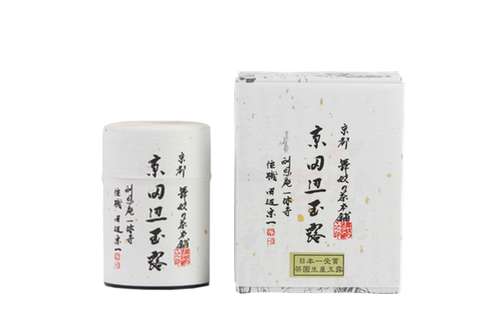
A blend of three national-champion gardens, brought together by the hand of our president, Masayasu Tamiya. The Kyotanabe-region specialty, in the house’s own can-and-box presentation.
About Gyokuro
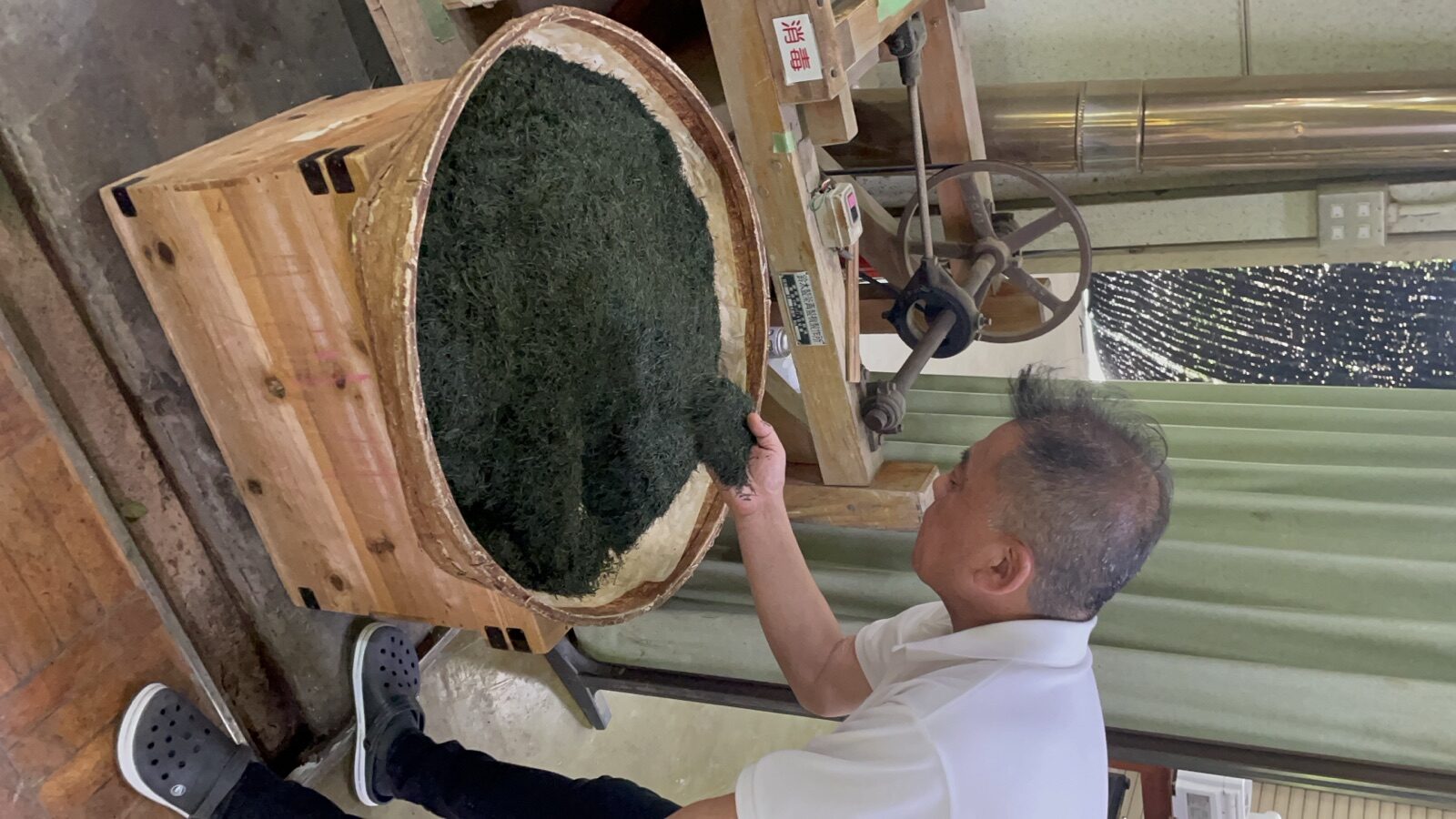
Maiko Tea headquarters is located in Kyotanabe city, known throughout Japan as the capital of high-grade gyokuro. The tea plants are grown in “ooishita en” (covered) fields that are shaded from mid-April until harvest. Once the buds are ready and picked, they are steamed, dried, and kneaded.
Gyokuro is the highest grade of Japanese tea available, characterized by a fine green colour, rich aroma, and mellow, sweet flavour. Many people are surprised by the uniquely rich taste that high-quality gyokuro produces. It is not a beverage to drink in a rush, but one to sip very slowly, so its flavour spreads throughout the entirety of the mouth. That is the proper way to experience gyokuro’s deep and enchanting flavour and aroma.
Everyday Gyokuro
Quality gyokuro without the named-craftsman premium. Three pours from the Maiko Tea workshop, for daily drinking.
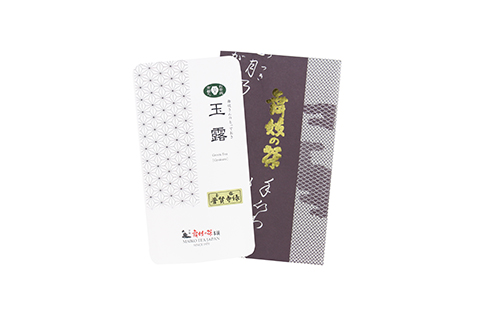
Gyokuro “Fugenji-Midori”
“First Sip”, the gentle place to begin. Recommended for first-time gyokuro drinkers, and named for the Fugenji area of Kyotanabe.
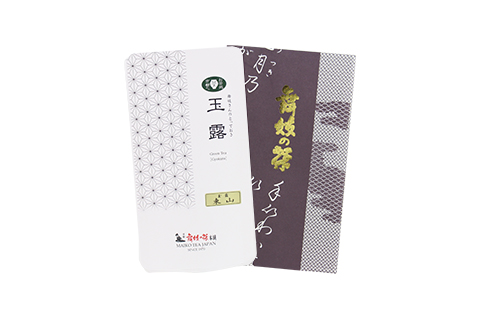
Gyokuro “Higashi-Yama”
One of the house’s most popular pours. Sweet, with a mellow, subdued astringency, and forgiving even in hotter water.
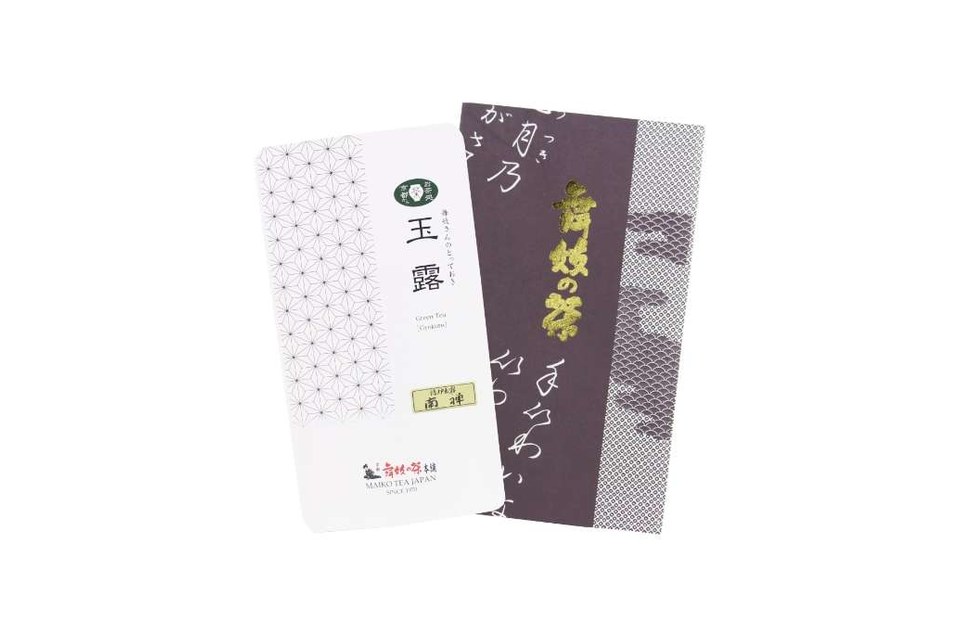
Gyokuro “Nan-Zen”
“Southern Bliss”, a fine, palate-cleansing cup and one of Japan’s favourite gifts. Those who receive it often become customers themselves.
Earth’s Gyokuro
JAS certified organic, grown far south of Kyotanabe in the mountains of Kirishima. Our best-selling gyokuro.
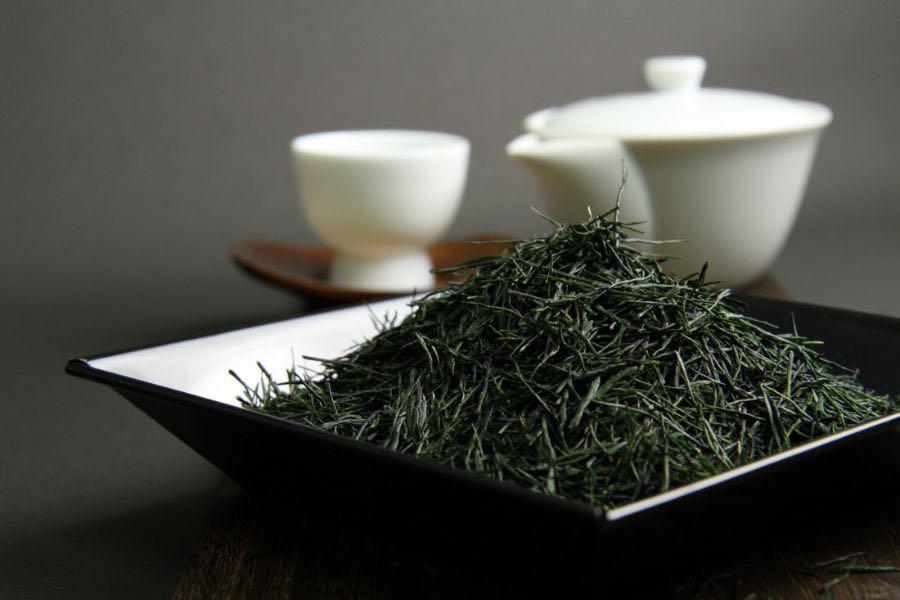

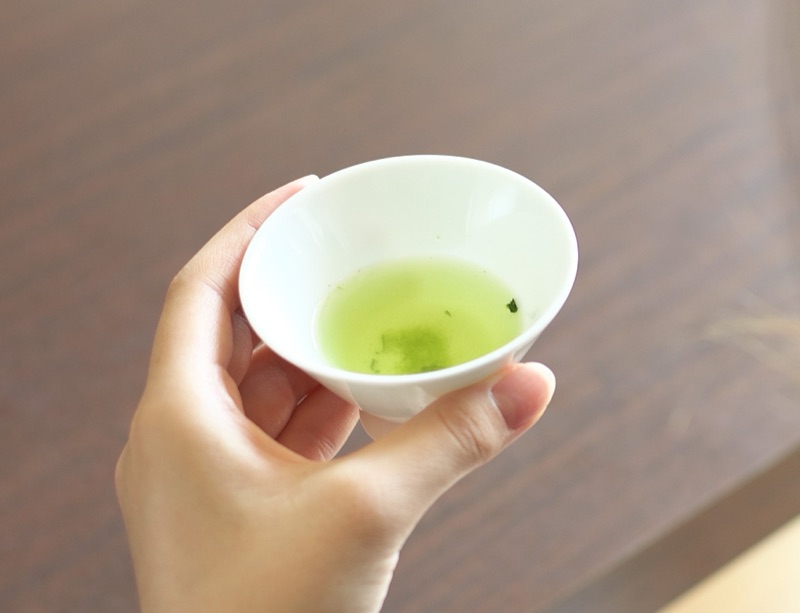
Cool water, unhurried steeps
Around 40-60°C depending on the grade, a small kyusu, and a full minute before the first pour. Our brewing guide shows the rest.